27. Getting Wise (After the event)

Getting Wise (After the event): And why Stark3 took long!
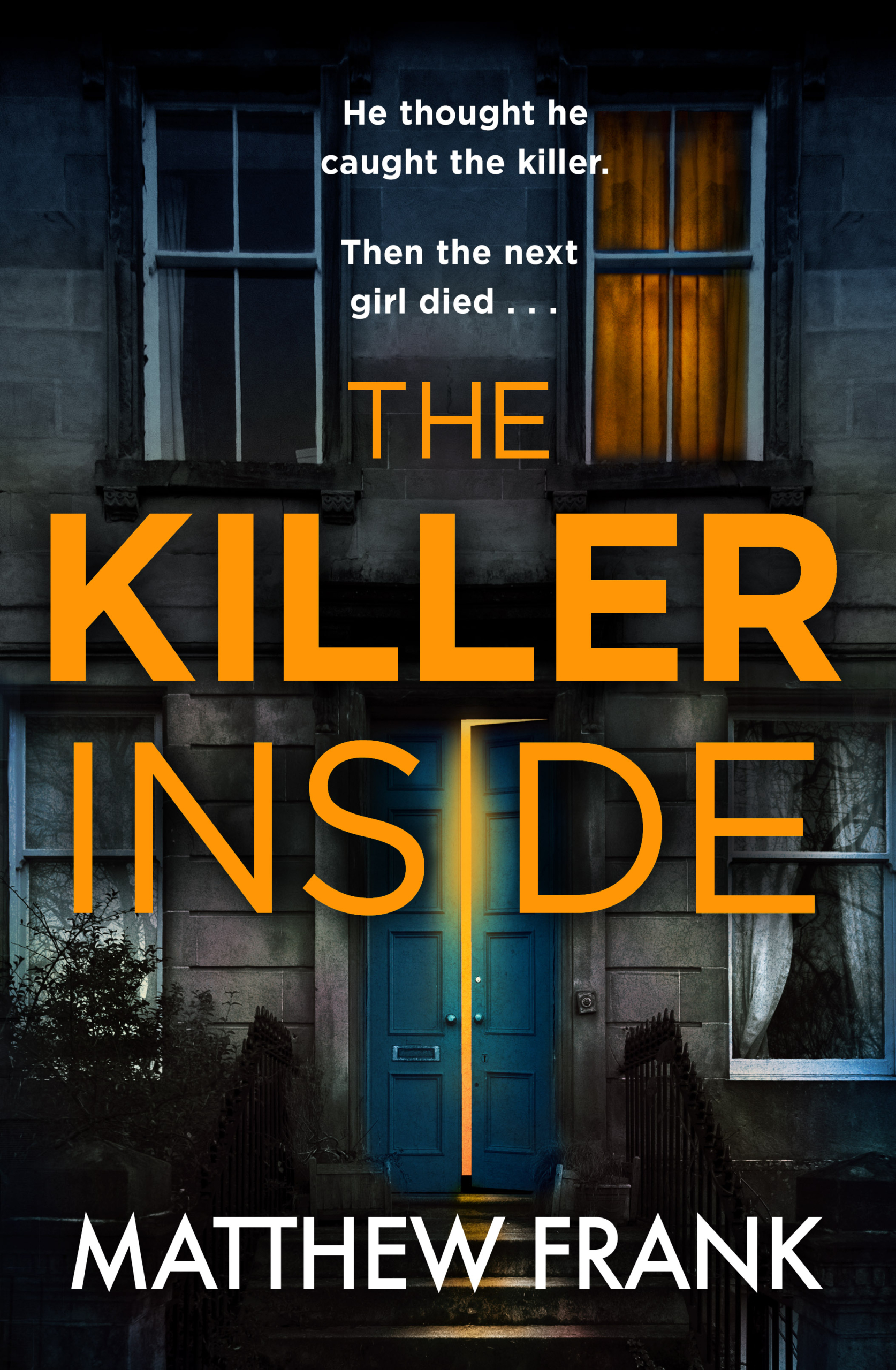
As I’ve mentioned before, when a manuscript is off with the editor for a week or four, I’ll be working on the next book, or indeed ideas for those after (please note: you’ll only get to read those if you buy, and encourage others to buy, the early ones so my publishers stick with me – just saying…). So, when Between The Crosses was finished I was already well advanced with the third in the series and, riding high, I raced (by my slow standards) through to a first draft in record time.

After a couple of weeks off to free my head in choice titles from my teetering TBR pile, I read Book#3 front to back to see what shape it was in (see blog #3), felt rather pleased with myself, and set about two more drafts before sending it off to my editor.

This is they way I work. I finish the book (or get it as close to finished as I can) before sharing it with anyone outside immediate family. With the first, you have little choice unless you are part of a writing group or community (which I’ve never made time for, to my loss), as you likely have no agent or publisher to act as a sounding board. With the second, I did what I’d done with the first. In both instances this led to time-consuming re-writes, but this time I was confident. After all, I’d submitted a synopsis of books 3 and 4 to my publisher before they offered me my second two-book deal and they were enthusiastic.

But when they read the fully expanded version, they felt I’d let a sub-plot swerve the narrative away from the main crime thread right when it should’ve been focusing on the denouement. They suggested cutting it completely, but this sub-plot had been my very first idea for this book, the key misdirectional hook I had built the story around and contained what I felt was some of my finest writing and a delicious new character. So instead, I spent months turning a ‘What the f**k!’ swerve into ‘Wow, I can’t believe I didn’t see that coming!’. And it worked. It made it even better!

My publishers, however, still disagreed.

Remember all the times in previous blogs I’ve repeated the advice I was given – not to be precious…?

I hadn’t listened. And my wonderful editors had been too nice to be firm.

They, and I, want these Stark novels to do well. We love the first two but they’ve sold only modestly. The best chance of turning that around is to make each new book the best it can be. The best crime book it can be. And whilst I’d achieved a thrilling ending that I loved, it had more to do with my protagonist’s multi-book arc than the key crime in this book.

‘Sometimes,’ they said, ‘you just have to amputate’.

Sometimes (always dear reader, always) you need to listen to what the experts are saying.

So I necked the proverbial shot, bit down on the stick and cut – beloved writing, thrilling action, heartrending scenes, sharp ideas and that wonderful character who I may never now manage to re-weave into Stark’s future – all of it. Months of painstaking stitching and erasure of scars. And did any of this make it better…?

Yes. It did.

Editing can be agony, but in my experience it always makes it better because the desire to tell the best stroy you can rests behind every keystroke you make. I found new, better ways of keeping it deeply personal to Stark while ensuring his third adventure remains focused on what it should always have been, a crime book. I hope you’ll find it gripping, disturbing, thrilling and satisfying.

So Draft 7 finally passed muster. Draft 8 escaped the editing process. Drafts 9 through 11 took care of the copyediting and 12 was me making sure the finally agreed title (see blog posts #10 and #23 on working titles) echoed through the text. I’ll shortly be sending my proofreading notes (your last chance to read the page proofs for typos, errors or tweaks) back to Penguin – so the book that hits the shelves will be Draft 13. Instead of 2 years between books, it’ll be nearly five.

So, I have a new writing motto:

DON’T BE PRECIOUS. AND…

I have 30,000 words of Book#4 down, plus a lot more in oft-contradictory notes and increasingly messy synopsis. I’ve sent it all off to my editor. Once she’s had a good look, we’ll talk it through before I go haring off in directions that might later concern them. This is new to me, but I really hope it saves pain and time later. I’ll keep you posted.

26. Getting It Wrong:

Getting It Wrong: A belated confession.

Forgive me Reader, it has been a long time since my last post…

Through this website contact’s page I have received a delightful drip-feed of positive feedback from the people that count, the readers. I try to respond to them all, so please do keep them coming. This said, some time ago one gave me pause. As well as praising If I Should Die, this reader also had a question…

I turned out they had identified a continuity error. I wish I could say it was something that had crept in during editing but the truth was, I’d made a mistake. It’s minor but it’s there. At the end of the book a character mentions taping off the BWM and searching around it for a particular piece of evidence – but it should’ve been the VW Golf. I got the cars mixed up. I can only apologise. The reader who contacted me was nice as pie about it.

At that point the book was in its first print run, and the subsequent re-prints and the E-Book were corrected, but the audiobook is stuck that way.

At first I felt gutted, my debut novel, culmination of years of work, stared accusingly from the shelf. But over time I’ve learned through other authors that I’m not alone. These things happen apparently. As the author, reading your chapters for the umpteenth time, it becomes all too easy to read what you think you’ve written and miss mistakes. With luck, your editors spot those that slip past you, but for all the times a book is read before publication, errors can escape notice.

As an architect, I know all too well that no project is ever quite completed to perfection and nothing niggles like that tiny detail that perhaps no one else will ever notice. Experience teaches that when the inner perfectionist strives and weeps, the philosopher must nod and move quietly on.

25. Getting Published – Again!

Getting published – again: Your second book hits the shelves, and life goes on…

Through happy chance, my first book hit the bookshops as I was waking beside the Mediterranean, celebrating my 10th wedding anniversary in style (see blog #15). When my second hit the shelves on 8th September 2016, I was dropping the kids off at school and then running between meetings all day dealing with the day to day crap of real life.


You can’t always have your cake and eat it.

My publishers took me out for a quick lunch which I manage to squeeze in between yet more meetings a few weeks later, and sent me a nice bottle of champagne, which we’ve still not had the right occasion to open.


The point I’m clumsily making is that, like many authors, I still work for a living full time. Whilst getting published is undoubtedly like winning the lottery, aspiring writers should not expect to jack in the day-job and buy a sports car any time soon. That’s not to say it’s impossible. Catch the latest zeitgeist, get on the right celebrity pick list or win a prestigious award and you may indeed be off the races. It can happen for you and I hope it does. But if it doesn’t, you might find yourself looking around at more successful authors and wondering – why not me?


This is a mug’s game. And a risky one. Start chasing the commercial success of others and you might start trying to write more like them and less like you. My advice  – Try instead to remember why you started writing, what you wanted to say and do, and that you got published for writing your book in your style.


I’ve said this before, but if writing what you know is the old mantra then writing what you’d want to read should be just as important. There are plenty of writers knocking out deliberately commercial books that I simply wouldn’t want to read, even if I had the time – some, mentioning no names, writing more or less the same book over and over to rapturous applause. If fame and fortune are your goal, knock yourself out. But if you got into writing for the love of it, the irrepressible itch to get the words down and wrestle them in submission, symmetry and meaningful storytelling… then when you finally do see your work in shops, let it be with unquenchable pride. Measure your success in that, and sod the sales figures!


All that said, if you do manage to run into a bookshop towards the end of publication day when you should really be running for a train, only to find your beloved masterpiece isn’t on the shelf yet, you are allowed to feel a little crestfallen. It’d been a long day. I didn’t cry.


In the end, I didn’t get to revel in the sight of Between The Crosses on sale next to If I should Die for over a week, but it swelled my heart all the more, and still does.

(… So much so, that I’ve raced (by my slow standards) through writing the third in the series and now have a first draft – start, middle and end with no gaps. I’m taking a couple of weeks off to free my head in a couple of titles from by towering TBR pile, before I read Book#3 front to back to see what shape it’s in (see blog #3). There’ll be plenty of polishing to do before I send it off to my editor, but right now, I’m riding high.)

24. Getting My Crow

Getting my crow – The killer detail:

So here it is…

If you’ve seen the Books page of this you’ll know the title of Book 2. Here now is the cover. I hope you love it as much as I do.

BetweenTheCrosses(Final Cover)

This is actually the third or fourth iteration of the cover. You may have read in my earlier Blog #5 and others, that early on I was advised not to be precious about my book covers. Luckily I loved both the hardback and paperback covers for If I Should Die. I made a few very minor comments, they were ignored, and I didn’t mind. There is a very busy team in your publishing house, brainstorming, discussing and testing covers. They consult with booksellers and make sure that they give you the cover which, in their expert opinion, has the very best chance of catching the browsers’ eyes, piquing their interest with the blurb and persuading them to carry it to the till and hand over hard-earned cash for it. You have to trust that they know what they’re doing.

However, if there really is something you’d like tweaked, say so. If they ignore you so be it. But if you don’t you’ll always wonder.

I had a few very minor comments on the draft cover for Between the Crosses. I sent them off expecting nothing, only to be met with complete agreement. Most were just to do with font and text, but the killer detail for me was the addition of a single, portentous crow in the tree. If or when you read this Stark sequel, I hope you’ll spot the significance…

23. Getting Good Grammar

Getting Good Grammar – Copy-Editing:

So you’ve survived the editing process and the book is finished. But before you reach for that bottle of prosecco you stashed away, there’s one more hoop to jump through (briefly described in my earlier blog #8), copy-editing.

Your publisher sends the manuscript away to a professional, who applies their remarkable expertise to finding and correcting all the errors in grammar, punctuation and continuity you thought you’d already spotted. And there will be loads. I’ve been through this twice now, and we’re talking thousands! (I’m starting to think my ancient GSE English isn’t quite up to snuff). Almost all are tiny punctuation tweaks, missing or superfluous spaces, changing said he in into he said or the other way around, italics, exclamations, putting spaces in ellipsis, changing en-rule to em-rule or the other way around, all according to your publisher’s house style.

[Quick tip: If you haven’t already, ask your editor for a copy of your their ‘House Style’ document – I wish I had sooner.]

The script you receive back will have all these changes digitally tracked for you to go through one-by-one, accepting or rejecting. Most of the tiny tweaks will be accepted, but there are enough you may not agree with to require concentration throughout, and occasional comments or questions will send you off checking, researching or altering the text. It takes hours, and hours, and hours, meaning, if you have a day job and kids like me – days! Your copy-editor will have a deadline and may press you, but manage their expectations from the start and take the time to do this properly. It’s important. And be grateful – these people are good!

Lets-eat-grandpa

The script will go back and forth between you two or three times until each and every item is settled and, sometime usually around midnight, you press send on email and that’s it – your book really is very, very nearly finished.

I tend this think this is worth a drink, but I usually need to go to bed instead.

Writing Tired

This where I am with Stark Book 2. I’ll get the page proofs (see blog #8 again) in a week or two, then bound proofs, and those will be my last chances to change anything. Somewhere out there people are discussing jacket art options, so I’ll soon be able to show you what it looks like – and what it’s called!

22. Getting Feedback

SH!T Sandwhich

Getting Feedback – The Sh*t Sandwich: This term was suggested by a friendly writer I know to describe the lovely layers of fluffy praise offered by editors in hope of disguising the unsavoury feedback within. The sucker punch I mentioned in my earlier post #20 about book 2 draft 1.

Sadly, this proved to be the case for my second draft too. Despite my editor’s effusive assurances that I’d done ‘great work’, and that the line edits he’d send me were ‘very minor’, the sandwich inevitably arrived with a less palatable filling:

The-shit-sandwich2

‘Could you just have a think about injecting a little extra pace/peril into the first 100 pages or so? But it’s really not that much, you’ve done a great job!’

Easy to say. Harder to do.

Just roll up your sleeves, strip down the first third of the book like a car, lay out the parts, clean them up and try to put it back together in a different order, with no instructions and fewer parts, all in the hope of generating more horsepower.

I got this

It may sound as if i have a gripe with all this, but in fact I don’t. My editor is wonderful, enthusiastic, insightful and driven to make the book the best it can be. The sandwich isn’t sh*t at all; it’s truth, wrapped in kind words. And, as I’ve said before, each edit makes it better.

So, another five months on, nearly a year after delivering the first draft, I submitted the third at the beginning of December 2015. Unfortunately, as it’s transpired, too close to Christmas for it to get read. Two months later, fingernails much bitten, the final news from my editor arrived yesterday and…

He loves it!

And after an extended pause, can I just get all the typos, final tweaks and recommendations sorted overnight so he can rush it to a copyeditor today!

So here I am, bleary-eyed and ecstatic. I think my hopes of the book being published in time for Crimefest’16 and the Greenwich Book Festival in May’16 are probably unrealistic now, but I’ll keep you posted. Your patience, if I have it, is appreciated.

The final thing to do is agree a title. It’s currently on its fourth. But that’s another story…

21. Getting an Award

B63A1275

Getting an Award – And acceptance speech terror…:

Thirty-six hours earlier I’d been laid up in bed with tonsillitis and fever. The antibiotics were starting to work but I couldn’t drink for courage, I’d pushed my food around my plate for an hour and if the adrenaline didn’t kick in soon I was about to topple off the acceptance speech cliff… So how did I end up here…?

The source of my terror can be traced to France around 2001. Doctor Francois Dufour of La Cadière D’Azur, in Provence, speculated that reading a good book might be as useful to some of his patients as medication. So he set up an annual prize for the French debut novel of the year which attracted most votes from the readers in the village. The idea was a great success and Le Prix De La Cadière was born.

In 2003, Wendy Smedley and Gwen Goodhew decided to replicate this idea in Waverton, near Chester, and set out to find fifty or more debut novels by British citizens published in the previous twelve months. Their aim was to stimulate reading and encourage British writers. Every year since, the residents of Waverton have made an award to their favourite British debut novel.

Publishers became more and more helpful as they realised what was going on and by 2014 the difficulty of sourcing debut books had long been replaced by that of whittling down the proffered debuts into a longlist (in this year, 74), to be scored out of ten. In March 2015 these scores were applied to distil a shortlist of five:

Thorn Among Roses

Carys Bray – A Song for Issy Bradley
Shortlisted for the Costa first novel award.

Anna Hope – Wake
“Compelling, emotionally charged”. (Rachel Joyce, author of The Unlikely Pilgrimage of Harold Fry)

Jane Shemilt – Daughter
A Sunday Times top five bestseller and Richard & Judy Autumn Book Club pick.

Jemma Wayne – After Before
Longlisted for the Baileys Women’s Prize for Fiction 2015

& Me – If I Should Die

It was only at this point that I learned that If I Should Die was even in the running. Seeing the amazing books on the shortlist, I hardly dared hope it might win. As a crime novel, it seemed a thorn amongst roses. And as the only chap on the list it seemed ungallant to hope…

So I’d like to say that on the evening of June 29th 2015, as the good folk of Waverton gathered to cast votes, I was nonchalantly going about my business and not checking my phone every ten minutes… But I don’t think I’d be fooling anyone.

When Gwen emailed to say I’d won, I literally did a little dance around the room. I was stunned, and delighted, and distinctly undignified; as my longsuffering spouse can testify. She and our children deserve this award as much as I, for their constant support and forbearance. I’m told that If I Should Die garnered almost as many votes as the rest combined. And what makes this award even more special, is to be judged not just against other crime novels but across genres. It was thrilling to discover its appeal to a broader readership.

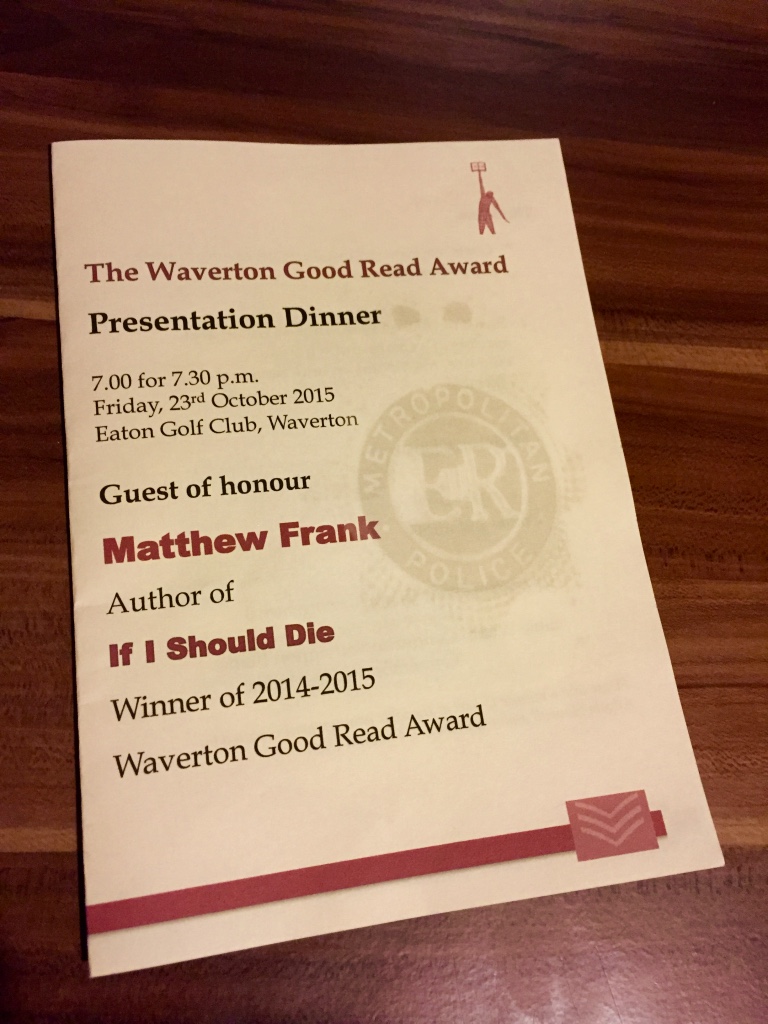
The very readership that on the evening of Friday 23rd October 2015 packed into the sold-out award dinner to form the sea of expectant faces staring at me, ready to hang on my every word.

So did my speech descend into mumbling ignominy…?

I’m not great at public speaking. I’m okay with the free-styling back and forth of a Q&A, in fact I quite enjoy it. But standing up and making a speech, notes in trembling hand, trying to remember to look up and smile from time to time, the words sounding dry in your ears, your mouth feeling dryer by the second… that’s not my in my comfort zone. But that night, I was happy to do it.

The discerning readers of Waverton had voted If I Should Die the Debut Novel of The Year 2014-15, and invited my wife and I as guests of honour to the award dinner to collect the coveted Waverton Eddie. Their goodwill was palpable. Every single person we met was enthusiastic, kind and attentive. The table dinner quiz was a blast, even if my poor team were denied victory by my unfair insider knowledge of If I Should Die’s list of acronyms.

The attention to detail was wonderful, from the discrete Stark-themed details on the printed menus to the brilliantly bespoke table decorations. Everyone at our table was delightful and fun, not to mention eminent and fascinating. Historian, author and professor from Liverpool University, John Belchem, delivered a flattering introduction and presented me with the award, and I took the microphone and delivered gushing thanks and a brief talk on the story behind the novel, my path into writing and plans for the future.

Waverton MenuB63A1273 copy

I can’t claim my speech was any great shakes, but I got through it. And the Q&A that followed was enormous fun.

I had some lovey all-too-brief chats with the long line of people that queued up to have their copies signed, and before I knew it the evening was over.

B63A1277

There was a great deal of interest into when the next Stark novel will be out (working on it…) and the general expectation that the Waverton Eddie would be first among many honours. I daren’t hope. And right now, I firmly believe I’ve been lucky enough to win literature’s finest award!

(My heartfelt thanks go to Wendy and Gwen. To Peter Goodhew, Richard and Terry Taylor and to John and Mary Belchem and the rest of Team Sanson table… for being such fun. To David and Linda Evans for your generosity. And to everyone who helped organize this year’s award and who read and voted not just for If I Should Die but all the books every year, for your wonderful support for debut authors. And to the Sponsors – National Nuclear Laboratory.)

IMG_6452

Previous winners of the Coveted Waverton Eddie include:

2003-04 Mark Haddon – The Curious Incident of the Dog in the Night-Time
Winner of 2003 Whitbread (now Costa) Award for book of the year. Longlisted for the Man Booker Prize 2004. Now adapted for stage at the National Theatre.

2004-05 Jonathan Trigell – Boy A
Winner of The John Llewellyn Rhys Prize for the best work of literature (fiction, non-fiction, poetry, drama) by an author from the Commonwealth aged 35 or under. Adapted into a BAFTA award-winning TV movie.

2005-06 Marina Lewycka – A Short History of Tractors in Ukrainian
Winner of the Bollinger Everyman Wodehouse Prize at the Hay literary festival. Shortlisted for the 2005 Orange Prize for Fiction.

2006-07 Nicola Monaghan – The Killing Jar
Winner of a Betty Trask Award and The Authors’ Club Best First Novel Award. Monaghan was included in The Independent’s New Year list of “Rising Talent of 2006” and The Killing Jar made their 50 Hot Books for summer and Books of Year features.

2007-08 Paul Torday – Salmon Fishing in the Yemen
Winner of the 2007 Bollinger Everyman Wodehouse Prize for Comic Fiction. Shortlisted for the Newcomer of the Year Award at the 2008 Galaxy British Book Awards. Adapted into film in 2011 for worldwide cinema release.

2008-09 Tom Rob Smith – Child 44
Nominated for 17 international awards, winning seven.
Longlisted for the 2008 Man Booker Prize. Nominated for the 2008 Costa First Novel Award. Recipient of the Crime Writers Association Ian Fleming Steel Dagger award for best thriller of the year. Shortlisted for the 2008 Desmond Elliott Prize for a first novel in 2008. Listed in the 2011, Richard and Judy Book Club 100 Books of the Decade. Translated into 36 languages and adapted into film by Ridley Scott in 2015 for worldwide cinema release. Smith was awarded the 2008 Galaxy Book Award for Best New Writer.

2009-10 Andrew Sharp – The Ghosts of Eden
Shortlisted for the 2011 International Rubery Book Award, and listed by Ann Widdecombe as one of her top five books on childhood innocence.

2010-11 Helen Simonson – Major Pettigrew’s Last Stand
A Richard & Judy Book Club selection and instant bestseller in multiple countries.

2011-12 Christie Watson – Tiny Sunbirds Far Away
Winner of the COSTA first novel award.

2012-13 Rachel Joyce – The Unlikely Pilgrimage of Harold Fry
Long-list finalist (top 12) for the 2012 Man Booker Prize.

2013-14 Gavin Extence – The Universe versus Alex Woods
Richard and Judy summer bookclub read 2013, Amazon Rising star, and shortlisted for the Desmond Elliott Prize.

2014-15 Matthew Frank – If I Should die
Winner of nothing else so far, but fingers crossed…


Some further links:

Click link for Nudge Books write up.

Click link for Jan’s Writing Journal.

Click link for the official WGR event.

20. Getting On

greenwich-foot-tunnel-london-15287579

Getting On – With Book 2: The difficult second novel…

I’ve let myself get rather behind with these posts, but life has continued apace. If I Should Die was published first in hardback in June 2004, and the Paperback hit the shops on New Year’s Day 2015. But in truth my last sight of it had been in November 2013 when I sent of my final proof corrections. In actual fact I haven’t read it since and never checked whether those final corrections were applied. I assume they were. Too late now. My focus had already shifted to the sequel.

As mentioned in previous posts, I’d been test driving Book2 for years, utilising any period when Book1 was away somewhere being scrutinized. I had a lot of material. Too much in fact. Rather than stretching my writing wings, the first few months working on Book2 felt more akin to gruelling editing than that blissful flow that takes over when you’re in the groove (mixed metaphors apologies). Eventually though, I ordered the work I’d done on the beginning and end, and broke free into the glorious middle. I submitted first draft just in time to spend all Christmas 2014 waiting anxiously for news. January arrived with fluffy praise, carefully wrapped around the inevitable sucker-punch of suggested changes.

(At this point I refer you to Blog 5 and its notes on first drafts. However satisfying it is typing the words THE END, it hardly ever is. But each edit makes your book better, so stay positive.)

It’s been a long dark tunnel, but the light at the end proved not to be a train. The GOOD NEWS is that Book2/Draft2 is in at last, and initial feedback has been very positive indeed. (Hopefully no concealed sucker-punch when the red-pen notes arrive).

19. Getting ‘The Question’

bookshelf

Getting ‘The Question’ – And whether to lie: The list of things no one told me continues to grow, but an interesting one is how to react when an interested blogger or keen-eyed literary journalist turns to you at your first PR event, drink in hand, and utters the seemingly innocent icebreaker… ‘So, what do you read?’

Be prepared. Especially if, like me, you have something to hide. And a mouthful of mushroom voulevant.

So… confession time:

‘I don’t read only crime fiction.’

There… I’ve said it. You can quote me.

I read some. I also read espionage thrillers, historical fiction, Sci-Fi, fantasy, non-fiction about space and underwater exploration or anything else that piques my interest. At least I used to before writing elbowed everything else out of my life that wasn’t essential to earning a living and being a half-decent husband and father. I can just about keep the book I’m reading and the book I’m writing (though not editing for some reason) ticking along side by side in my head, but only because they happen in different types of snatched time. (Absolutely not complaining – see all earlier posts).

If you think that’s an unsatisfying answer – fair enough. For you then, here is a hasty and above all in-exhaustive list of some non-crime books I would recommend but never lend:

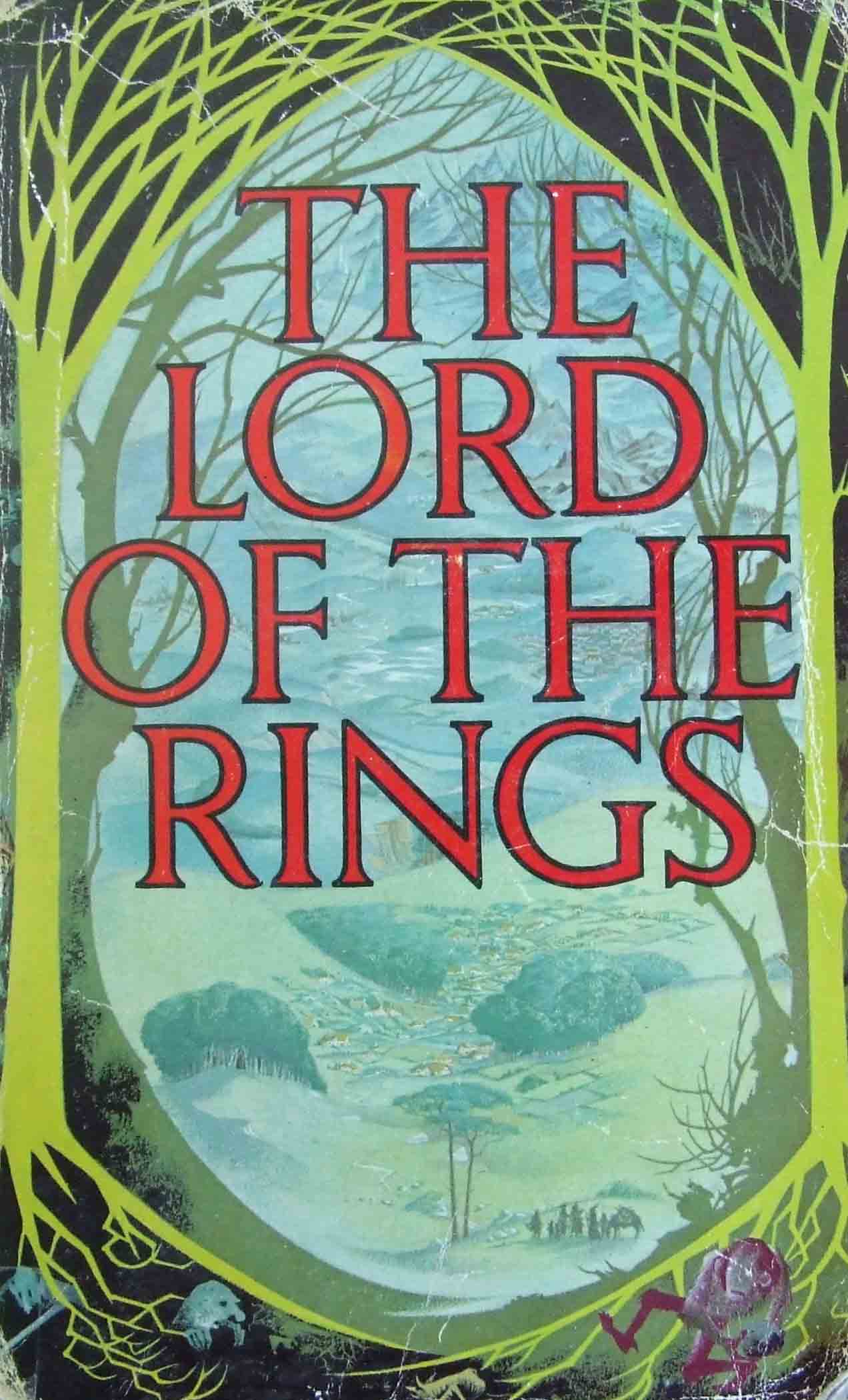
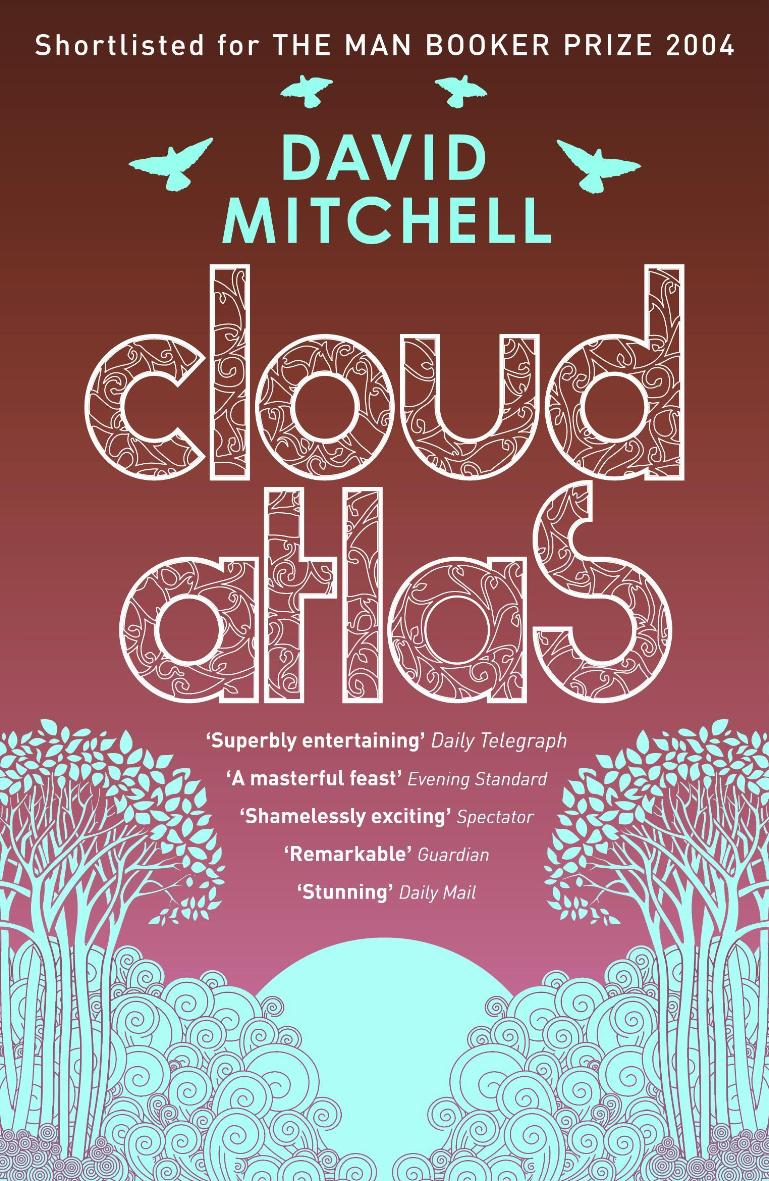
To Kill A Mocking Bird, Great Expectations, Pride & Prejudice, The Mars Trilogy (Kim Stanley Robinson), all twenty and a half Aubrey/Maturin novels (Patrick O’Brian), The Lord Of The Rings (Tolkien), I Robot (Isaac Asimov), Moondust (Andrew Smith), A Place Called Armageddon: Letters from the Great War (Michael Moynihan), Diver (Tony Groom), Good Omens (Neil Gaiman & Terry Pratchett) and every other Pratchett book, Cloud Atlas (David Mitchell), The Hitch-Hikers Guide To The Galaxy series (Douglas Adams) and the radio play version on CD (God bless Radio4 and all you sail in her), Jennie (Paul Gallico), The Essential Calvin & Hobbes (Bill Watterson) and, if I’m honest, most of the books in my house. Were I standing in front of mybookshelves as I write, this the list would be longer… and I might start getting a bit emotional.

To Kill A Mockingbird 50thEdGreat Expectationspride_and_prejudice


Mars-Trilogy


Master & Commandertolkien-LOTR-cover-2I Robot


moondustA Place Called ArmageddonDiver - Tony Groom


good-omens-2cloudatlasH2G2_UK_front_cover


Paul-Gallico-JennieEssential Calvin & Hobbes

18. Getting one thing straight

Genre Map

Getting one thing straight – The known unknowns: Another thing no one told me was pick a genre!

As far as I’d paid any attention I thought the prevailing advice was, write what you know. Or write what you read. Or was it choose your favourite author and emulate? The best advice, commercially, is see what sells and write that, with steroids. I haven’t had any creative writing teaching since GCSE English, so don’t ask me. I just wrote what popped into my head.

I wrote surreal comedy to begin with because I enjoyed reading it back and I love the way comedy allows you to skew perspective and stand things on their head until the absurdities fall out of their pockets. Some ideas petered out in a page, or fifty and then one didn’t and I ended up with a book. It wandered between comedy and pathos with a supernatural theological twist and I love it, but maybe that’s just me. Like minded friends and family did too. As my previous post, I hope to dust it off one day, tidy it up and see what you think.

In the meantime, another idea took root, grew and blossomed. Stark and fellow inhabitants muscled in and gradually took up all the spare space in my life and I wouldn’t have it any other way. One day, there will be more time…